

Tag: organization
How to Create a Home “Drop Zone” That Reduces Clutter
Clutter often gathers near entry points. Shoes pile up. Bags land on chairs. Mail spreads across counters. These items do not belong in the middle of your living space, yet they arrive there daily. A home “drop zone” offers a practical solution. It creates a designated area for everyday belongings the moment you walk in. When designed well, it reduces visual mess and saves time. Instead of chasing misplaced keys or sorting through stacks of paper, you know exactly where everything goes.
Define the Purpose of the Space
Before buying storage bins or hooks, decide what your drop zone needs to handle. Think about what enters your home most often. Backpacks, work bags, jackets, umbrellas, and mail are common items. List them mentally. This step prevents overdesigning. A drop zone should solve real problems, not become another cluttered corner. If you live in a small apartment, your setup may be compact. If you have a busy family, it may require multiple compartments. The design should reflect daily routines. When the purpose is clear, the layout becomes more focused and effective.
Choose the Right Location
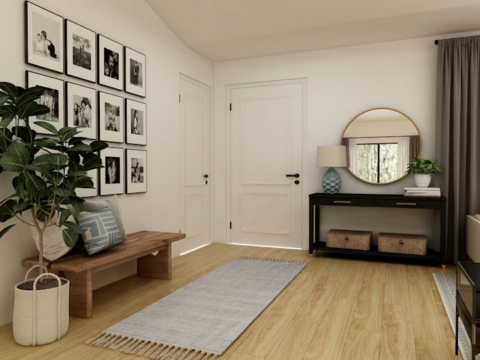
The best location is close to the main entrance. It can be a hallway, mudroom, or even a section of the kitchen wall. The goal is convenience. If the space is too far from the door, people will ignore it. Observe traffic flow. You want enough room to move comfortably. Avoid blocking doors or walkways. Even a narrow wall can work with thoughtful planning. A simple bench and wall-mounted storage can transform a small area into a functional station. Visibility also matters. A drop zone should be easy to spot. This helps ensure everyone uses it consistently.
Install Practical Storage Solutions
Hooks are essential. They hold bags, coats, and hats without taking up floor space. Install them at different heights if children are involved. Lower hooks encourage independence. Add shelves or cubbies for items that cannot hang. Baskets keep smaller belongings contained. Closed cabinets create a cleaner look, while open shelves offer quick access. Choose what fits your lifestyle. A slim console table can serve as a landing surface for keys and mail. If space allows, include a small drawer for items that should stay out of sight. The combination of vertical and horizontal storage supports organization without overwhelming the area.
Add Personal Touches for Motivation
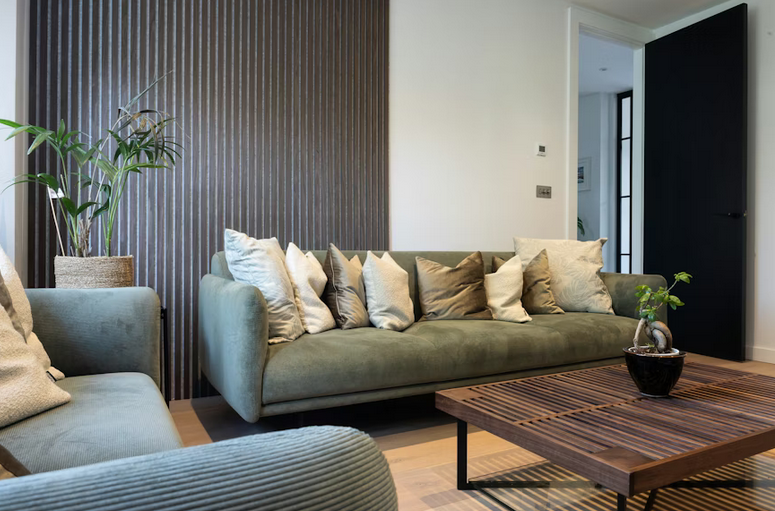
Function comes first, but design still matters. A tidy space feels inviting when it reflects your style. Choose colors and materials that complement your home. Add a small mirror for quick checks before leaving. Label baskets or cubbies for each family member. Personalization creates accountability. It also reduces confusion about where items belong. Keep decoration minimal. The purpose is organization, not display. A calm and cohesive look makes the area feel intentional rather than improvised.
Create a System for Mail and Paper
Paper clutter spreads quickly. Bills, flyers, and school notices pile up in days. A dedicated mail sorter prevents this buildup. Wall-mounted organizers save surface space. Labeled trays help separate urgent items from junk mail. Set a routine for processing paper. Discard unwanted mail immediately. File important documents weekly. The drop zone should act as a temporary stop, not permanent storage. Keep a small recycling bin nearby. This simple addition reduces the chance of paper drifting into other rooms.
Include Seating and Shoe Storage
Shoes often create the most visible mess. A bench with built-in storage solves two problems at once. It offers a place to sit while removing footwear and hides shoes underneath. If built-in benches are not possible, use a narrow shoe rack. Limit the number of pairs stored in the drop zone. Seasonal rotation helps manage space. Comfort encourages use. When it feels easy to remove shoes and store them properly, habits form naturally. Over time, this small change makes a noticeable difference in cleanliness.
Maintain Consistency Through Routine
Even the best setup fails without daily habits. Encourage everyone to use the drop zone immediately upon entering. Place reminders at eye level if needed. Consistency builds order. Schedule a weekly reset. Return misplaced items to their proper spots. Remove anything that does not belong. This routine takes only a few minutes but preserves the system. Reevaluate the setup every few months. If certain items accumulate, adjust storage. Flexibility keeps the space functional as routines change.
A well-designed drop zone reduces clutter by giving everyday items a clear home. By defining its purpose, choosing a strategic location, installing practical storage, and maintaining simple routines, you create a space that supports organization. Small adjustments near the entrance can transform how your home feels. Instead of chaos greeting you at the door, you walk into order. Over time, this structure saves effort and promotes a calmer environment.…