

Category: Home

Interior Designers Are Obsessed With These Fireplace Trends
Fireplaces used to be simple. Brick. Mantel. Done. Now? They’re design centerpieces, conversation starters, and sometimes the first thing guests photograph. Fine Homes & Living Article reviews hyper-realistic electric fireplaces – and this category is heating up fast. Designers aren’t playing it safe anymore. They’re rethinking scale, material, and even flame technology. The fireplace has moved from background feature to headline act. And honestly, it makes sense. Fire equals emotion. Emotion equals impact. Let’s talk about what’s stealing the spotlight.
Hyper Realistic Flames

Electric fireplaces used to scream “1998 hotel lobby.” That era is over. Today’s hyper-realistic flame technology looks shockingly authentic. Layered lighting, detailed log sets, and dynamic ember beds create depth you wouldn’t expect from a plug-in unit. Designers love them because installation is simple, without a chimney, gas line, or soot cleanup. That flexibility opens options for condos, apartments, and modern homes. Heat output is adjustable. Flames can operate with or without warmth. That means ambiance in July without turning your living room into a sauna. Clients get visual drama without structural renovation. That’s a win.
Floor-to-Ceiling Statement Surrounds
Minimal mantels are taking a back seat. Designers are going vertical. Stone slabs stretch from floor to ceiling. Porcelain panels mimic marble with sharp veining. The fireplace becomes a sculptural wall. Height adds presence. Even smaller rooms feel grand with a tall surround drawing the eye upward. Cluttered décor around the firebox is fading. The wall itself becomes the art piece.
Double-Sided Fireplaces
Why heat one room when you can heat two? Double-sided installations are growing in popularity, especially in open concept layouts. They divide spaces without closing them off. Living room on one side. Dining area on the other. Both enjoy the glow. This design move adds architectural interest. It also improves flow by creating subtle boundaries. Electric and gas options both make this possible. The key is planning placement early in the design phase. When done right, it feels seamless.
Linear and Minimalist Designs

Traditional arched fireboxes are fading. Long, horizontal fireplaces are stepping in. Linear designs stretch wide and slim. They complement contemporary furniture and clean interiors. These installations often sit lower to the ground. That changes viewing angles and makes seating arrangements more intimate. Black frames dominate. Matte finishes feel modern. Glass fronts keep visuals sleek. Designers appreciate the simplicity. The flame becomes the focus, not heavy trim. It’s quiet luxury without trying too hard.
Mixed Materials Around the Hearth
Texture is everything right now. Designers are blending wood slats with stone panels. Metal accents frame fireboxes. Concrete meets warm oak. Contrast creates depth. Smooth surfaces paired with rough textures keep the eye engaged. Color palettes lean neutral, but material combinations add personality. Think charcoal stone with warm walnut cabinetry. This approach works across styles. Modern farmhouse. Urban loft. Coastal retreat. It’s not about overdoing it. It’s about layering smartly.
The fireplace can be the heart of your home. Hyper-realistic flames give flexibility. Tall surrounds create drama. Double-sided units improve flow. Linear shapes sharpen modern spaces. Each trend reflects one idea. If you’re renovating or building, treat it like a centerpiece, not a checkbox. Because when guests walk in and say “Wow,” you’ll know exactly why.…

How to Create a Home “Drop Zone” That Reduces Clutter
Clutter often gathers near entry points. Shoes pile up. Bags land on chairs. Mail spreads across counters. These items do not belong in the middle of your living space, yet they arrive there daily. A home “drop zone” offers a practical solution. It creates a designated area for everyday belongings the moment you walk in. When designed well, it reduces visual mess and saves time. Instead of chasing misplaced keys or sorting through stacks of paper, you know exactly where everything goes.
Define the Purpose of the Space
Before buying storage bins or hooks, decide what your drop zone needs to handle. Think about what enters your home most often. Backpacks, work bags, jackets, umbrellas, and mail are common items. List them mentally. This step prevents overdesigning. A drop zone should solve real problems, not become another cluttered corner. If you live in a small apartment, your setup may be compact. If you have a busy family, it may require multiple compartments. The design should reflect daily routines. When the purpose is clear, the layout becomes more focused and effective.
Choose the Right Location
The best location is close to the main entrance. It can be a hallway, mudroom, or even a section of the kitchen wall. The goal is convenience. If the space is too far from the door, people will ignore it. Observe traffic flow. You want enough room to move comfortably. Avoid blocking doors or walkways. Even a narrow wall can work with thoughtful planning. A simple bench and wall-mounted storage can transform a small area into a functional station. Visibility also matters. A drop zone should be easy to spot. This helps ensure everyone uses it consistently.
Install Practical Storage Solutions
Hooks are essential. They hold bags, coats, and hats without taking up floor space. Install them at different heights if children are involved. Lower hooks encourage independence. Add shelves or cubbies for items that cannot hang. Baskets keep smaller belongings contained. Closed cabinets create a cleaner look, while open shelves offer quick access. Choose what fits your lifestyle. A slim console table can serve as a landing surface for keys and mail. If space allows, include a small drawer for items that should stay out of sight. The combination of vertical and horizontal storage supports organization without overwhelming the area.
Add Personal Touches for Motivation

Function comes first, but design still matters. A tidy space feels inviting when it reflects your style. Choose colors and materials that complement your home. Add a small mirror for quick checks before leaving. Label baskets or cubbies for each family member. Personalization creates accountability. It also reduces confusion about where items belong. Keep decoration minimal. The purpose is organization, not display. A calm and cohesive look makes the area feel intentional rather than improvised.
Create a System for Mail and Paper
Paper clutter spreads quickly. Bills, flyers, and school notices pile up in days. A dedicated mail sorter prevents this buildup. Wall-mounted organizers save surface space. Labeled trays help separate urgent items from junk mail. Set a routine for processing paper. Discard unwanted mail immediately. File important documents weekly. The drop zone should act as a temporary stop, not permanent storage. Keep a small recycling bin nearby. This simple addition reduces the chance of paper drifting into other rooms.
Include Seating and Shoe Storage
Shoes often create the most visible mess. A bench with built-in storage solves two problems at once. It offers a place to sit while removing footwear and hides shoes underneath. If built-in benches are not possible, use a narrow shoe rack. Limit the number of pairs stored in the drop zone. Seasonal rotation helps manage space. Comfort encourages use. When it feels easy to remove shoes and store them properly, habits form naturally. Over time, this small change makes a noticeable difference in cleanliness.
Maintain Consistency Through Routine
Even the best setup fails without daily habits. Encourage everyone to use the drop zone immediately upon entering. Place reminders at eye level if needed. Consistency builds order. Schedule a weekly reset. Return misplaced items to their proper spots. Remove anything that does not belong. This routine takes only a few minutes but preserves the system. Reevaluate the setup every few months. If certain items accumulate, adjust storage. Flexibility keeps the space functional as routines change.
A well-designed drop zone reduces clutter by giving everyday items a clear home. By defining its purpose, choosing a strategic location, installing practical storage, and maintaining simple routines, you create a space that supports organization. Small adjustments near the entrance can transform how your home feels. Instead of chaos greeting you at the door, you walk into order. Over time, this structure saves effort and promotes a calmer environment.…

Beginner’s Guide to Starting an Indoor Herb Garden at Home
Growing fresh herbs at home is one of the simplest and most rewarding ways to bring greenery into your living space. Whether you have a spacious kitchen or a small apartment, an indoor herb garden can provide you with fresh flavor year-round and add beauty to your home. For beginners, it may seem a little intimidating at first, but with the right setup and a few basic tips, anyone can enjoy the benefits of growing herbs indoors.
Pick Easy-to-Grow Herbs

If you are just starting, it is best to choose herbs that are hardy and low maintenance. Some of the easiest herbs to grow indoors include basil, mint, chives, parsley, oregano, and thyme. These herbs not only grow well in containers but also add variety to your meals. Start with a few that you use regularly in cooking so you get the most use out of your garden.
Choose the Right Location
Light is the most important factor for growing healthy herbs indoors. Most herbs need at least six hours of direct sunlight each day. A south-facing window is ideal, but if your home does not receive that much natural light, you can use LED grow lights to supplement. Make sure your herbs are placed in a warm spot with good air circulation, but away from cold drafts or heating vents.
Use the Right Containers and Soil

Herbs grow best in pots with drainage holes to prevent water from sitting at the bottom and causing root rot. You can use individual pots for each herb or plant several in a single container, as long as each plant has enough space. Choose a high-quality potting mix that drains well. Avoid using garden soil, which may be too heavy and compact for indoor pots.
Water Properly
Overwatering is one of the most common mistakes in indoor gardening. Most herbs prefer soil that is slightly moist but not soggy. Allow the top inch of soil to dry out between waterings. Stick your finger into the soil to check for moisture, and only water when needed. Mint and basil may need more water than others, so keep an eye on their leaves for signs of drooping or wilting.
Harvest With Care

Regular harvesting encourages your herbs to grow fuller and bushier. When picking leaves, always start from the top and never remove more than one-third of the plant at a time. Use clean scissors or your fingers to snip just above a leaf node, which will encourage new growth from that point. Frequent harvesting helps keep the plants healthy and productive.
Starting an indoor herb garden is a practical and enjoyable way to grow your fresh ingredients. By choosing the right location, selecting beginner-friendly herbs, using proper containers and soil, and giving your plants the care they need, you can create a thriving indoor garden. With a little patience and attention, your home can become a source of flavor, fragrance, and greenery all year long.…

Common Pitfalls of Roofing Warranties and How to Avoid Them
So, you’ve just had a shiny new roof installed, complete with a warranty promising peace of mind and protection against unexpected mishaps. Sounds like a dream come true, right? Well, hold onto your hard hat, because roofing warranties can sometimes be as tricky as balancing on a steeply pitched roof during a windstorm. In this down-to-earth guide, we’ll dive into the top four pitfalls of roofing warranties and how you can sidestep them like a seasoned tightrope walker.
And remember, when in doubt, consulting with your trusted Local Roofer can provide valuable insights and guidance tailored to your specific roofing needs. Let’s unravel these warranty mysteries together!
The Installation Debacle
Picture this: you’ve spent your hard-earned money on a top-of-the-line roofing system with all the bells and whistles. But wait – it turns out the warranty is as flimsy as a house of cards because the installation needed to be better. Whether it’s shoddy artistry, improper materials, or shortcuts taken by the roofing crew, a botched installation can spell disaster for your warranty coverage. To avoid this pitfall, do your homework before hiring a roofing contractor. Look for companies with a track record of quality work and satisfied customers.
The Act of God’s Exemption
Ah, the classic “act of God” clause – the get-out-of-jail-free card that insurance companies love to wield like a shield against claims for damage caused by natural disasters. While it’s true that some events, such as hurricanes, tornadoes, or earthquakes, may be beyond anyone’s control, it’s essential to understand how these acts of God affect your roofing warranty. Many warranties exclude coverage for damage caused by extreme weather events or “acts of nature,” leaving homeowners feeling like they’ve been left out in the rain without an umbrella. To avoid this pitfall, consider supplementing your roofing warranty with additional insurance coverage tailored to protect against natural disasters.
The Fine Print Fiasco

Ah, the dreaded fine print – that sneaky little clause lurking at the bottom of the warranty document, just waiting to rain on your parade. Many homeowners fall into the trap of not thoroughly understanding the terms and conditions of their roofing warranty, only to discover later that certain exclusions or limitations leave them high and dry when they need coverage. To avoid this pitfall, grab a cup of coffee (or a strong magnifying glass) and dive headfirst into that fine print.
The Transfer Trap
So, you’ve decided to sell your home and pass the torch (or the roof?) onto the next lucky homeowner. But wait – it turns out your roofing warranty isn’t transferable, leaving the new owners high and dry regarding coverage. Many warranties have strict limitations or fees associated with transferring coverage to a new owner, leaving both buyers and sellers feeling like they’ve been taken for a ride on a leaky roof. To avoid this pitfall, check the transferability clause of your roofing warranty before putting your home on the market.…

Top Techniques for Soundproofing Your Home on a Budget
Soundproofing your home is essential for creating a peaceful and comfortable environment free from unwanted noise disturbances. While professional soundproofing solutions can be costly, there are several budget-friendly techniques that you can implement to reduce noise transmission within your living space effectively. This guide will explore the top techniques for soundproofing your home on a budget to help you achieve a quieter living environment.
Seal Gaps and Cracks
One of the most effective and affordable ways to soundproof your home is by sealing gaps and cracks in walls, windows, and doors. Sound can easily travel through these openings, so you can significantly reduce noise transmission by filling them with weatherstripping, caulk, or foam sealant. Pay close attention to areas around windows and doors, electrical outlets, and baseboards, as these are common culprits for sound leaks.

Rearrange Furniture and Add Rugs
Strategic placement of furniture and area rugs can also help reduce noise transmission within your home. Furniture such as bookshelves, couches, and cabinets can act as sound barriers, absorbing and deflecting sound waves to minimize echoes and reverberations. Placing area rugs on hard floors can help dampen impact noise and footsteps and reduce sound reflections. Additionally, soft furnishings like cushions and upholstery can enhance sound absorption in your living space.
Use Soundproof Curtains or Blankets

Another cost-effective way to soundproof your home is by using soundproof curtains or blankets. These specially designed curtains are made of heavy, dense materials that help absorb and block sound waves, reducing noise levels in your living space. Simply hang them over windows, doors, or walls to create a barrier against outside noise. If soundproof curtains are not within your budget, regular heavy blankets can also be a temporary alternative.
DIY Acoustic Panels
Consider creating your own DIY acoustic panels for a more hands-on approach to soundproofing. These panels are made from sound-absorbing materials such as foam, fabric, or fiberglass and can be easily constructed at home with basic tools and supplies. By mounting these panels on walls or ceilings, you can effectively reduce noise reverberations and improve the overall sound quality of a room. There are numerous online tutorials and guides available to help you design and build custom acoustic panels tailored to your specific needs and budget.
You can effectively reduce noise transmission and create a more peaceful living environment by implementing strategies such as sealing gaps and cracks, using soundproof curtains or blankets, rearranging furniture, and creating DIY acoustic panels. Whether you live in a noisy urban area or simply seek a quieter home, these budget-friendly soundproofing techniques offer practical and affordable ways to enhance the acoustics of your space.…

Steps on How to Choose a Professional HVAC Contractor
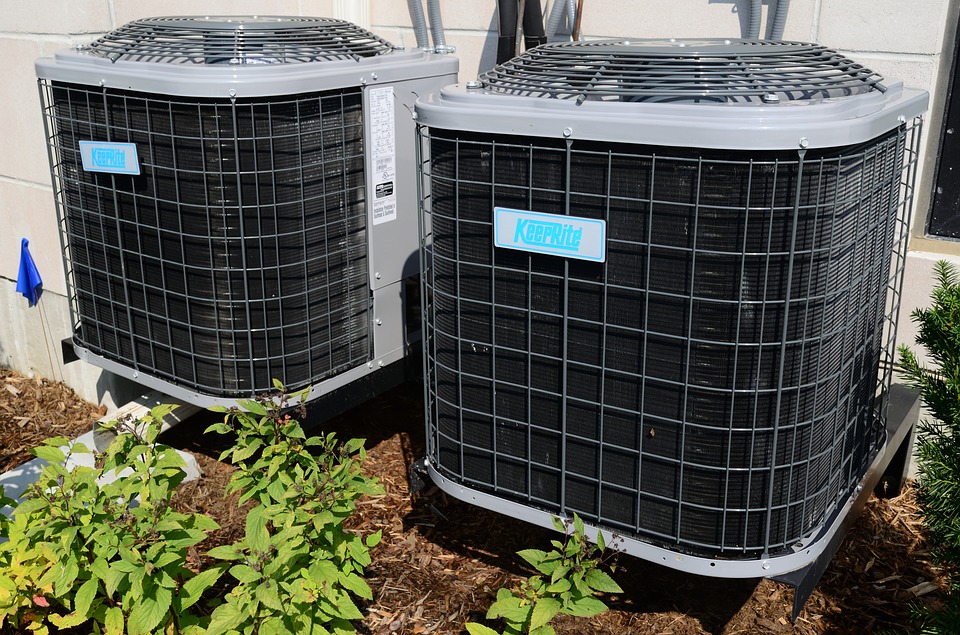
In a situation where your air conditioner conks out, you need the services of a professional HVAC contractor. On the same note, finding a reliable HVAC contractor is not an easy task, especially if you do this for the first time. It is essential to understand that you can get HVAC services if you have issues with your air conditioner. Therefore, if you decide that you want a professional contractor to maintain your HVAC system, here are the tips you need to consider.
Do Your Homework
When you want to receive quality services, you should start by conducting thorough research. Note that there are various types of HVAC contractors who specialize in multiple areas. Before you decide, make sure that you take your time to find out other factors that you should consider in this process. When you get prepared in this process, it will be easy for you to make an ideal choice within the shortest time possible.
Seek Referrals
When choosing a professional HVAC contractor, make sure that you seek referrals from former customers or clients of the HVAC contractor you intend to hire. It is one of the essential things you need to do to ensure that you understand the services that the contractor you intend to hire delivers. If you find contractors who are not ready to offer you a list of referrals, avoid choosing or hiring them.
Make Sure that You Hire Insured, Licensed, and Trained Experts
When hiring an HVAC contractor, make sure to hire trained, licensed, and insured contractors. It is your responsibility to check whether you are dealing with an HVAC contractor who knows how to handle various things that you want. When you are working with an insured contractor, this indicates that they have all the requirements required for this task. When working with an insured and trained HVAC contractor, they will ensure that they deliver the services needed since they have the skills and knowledge on how to tackle your project.
Consider the Years in Operation
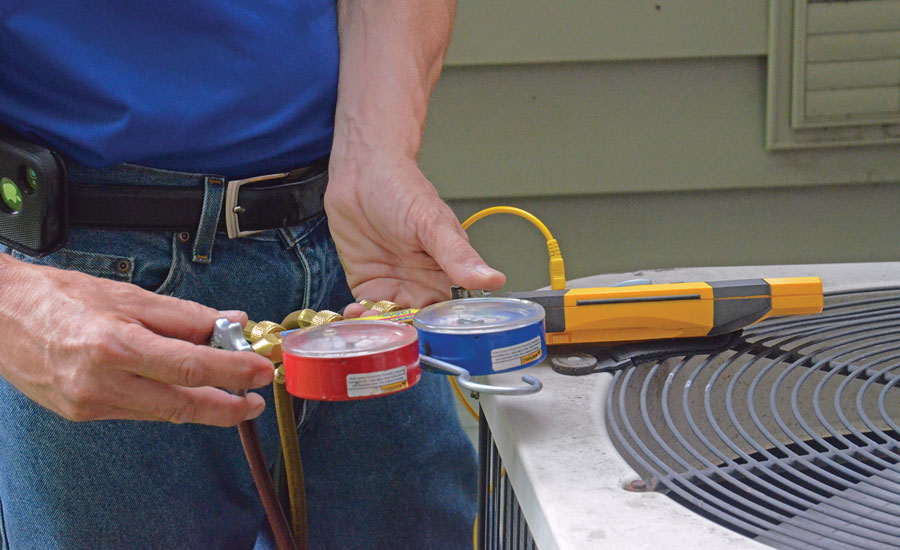
Experience is a critical factor that you need to consider when planning to hire a professional HVAC contractor. As stated earlier in this post, various contractors specialize in multiple areas. To ensure that you get a contractor who helps you attain your needs, make sure that you hire one who has been the industry for more than five years. In doing this, you will get professional services.…

Reasons To Use Synthetic Grass For Kids Play Area
When creating a kids’ play area, it is important to understand safety and aesthetics. You need to create a space that is safe and also looks appealing to your kids. If the kids are going to spend a lot of time in the space, it is advisable to take time to create an appealing environment.
You will need to buy grass that covers the floor area and also for some areas like the walls. Here are some reasons to use synthetic grass for kids play area:
Non-Slip For Safety
 One thing that you will love about synthetic grass for the kids’ play area is safe. With artificial grass, you can be sure that your kids will be safe when playing. Unlike natural grass, you do not have to worry about them slipping when playing.
Synthetic grass has a grip that you cannot get from other floor solutions. Instead of your kids playing on concrete or other materials, using artificial grass will offer a safe and comfortable playing ground for the kids.
Easy To Clean
Cleaning the kids’ play area is always a good idea. It is important so that you can avoid germs and diseases. When creating a kids’ play area, it is important to have flooring that will be easy to clean.
Unlike using a carpet, synthetic grass is easy to clean. With soapy water and a brush, you can keep the synthetic grass clean. The best thing is that the floor will dry out very fast, and your kids can continue using the play area.
Tough
 One thing that you will love about synthetic grass is the fact that it is tough. It can be able to withstand all types of impact when kids are playing.
For the kids’ play area, you need to look for something that you will not have to replace all the time. With synthetic grass, you can be sure that you have tough flooring. You can use the flooring for several years before the need to get a replacement.
Clean For Your Kids
Hygiene is important when creating a play area. The best thing with synthetic grass is the fact that it will keep your kids clean. You do not have to worry about toxins that are available in other types of grass. Your kids will play in a clean and safe environment.…

Tips for Selecting the Best Garden Hose
Managing and taking care of your yard is not only about keeping it green and lush-looking. You also need to explore more about tools and equipment that can help you achieve such goals. Especially if you are into gardening or have a passion for garden landscaping, you will know how vital it is to ensure the presence of effective water systems in your property. Not only does it provide an adequate amount of water for the plants in the garden, but it will also maintain the ecosystem. Remember that if something is not living in your garden, something is seriously wrong with it.
Garden hoses are one essential part of your yard, making it vital to find the best one for your garden. Products offered at yardcare.life can be a perfect example of high-quality items. However, it does not necessarily mean that you will suddenly get the idea of how to find the best garden hose by reviewing such examples. Then, the guidelines below will help you find the best products for your gardens and yards.
The Types
 There are several types of hose that you can choose depending on what you need for your yards. These include vinyl, rubber, and reinforced hoses. The first type will be the best option if you have a lot of garden work to do, and you need something that you can grab and handle easily. The rubber products, on the other hand, are way more suitable if you are into durability rather than its practical use. Perhaps, you need something as an investment, meaning that you need to make sure that the item you buy is long-lasting. The last type is a perfect combination of the previous models, making it an excellent option as it is both durable and easy to handle.
Self-Watering System
If you are a busy person and cannot always find time to work on your yard, the technology has provided you with new systems that will benefit you. It is what people refer to as a sprinkler or a soaker. It belongs to the category of a self-watering system that most garden hose manufacturers are fully aware of its advantages and trying to integrate into their latest designs and models.
Quality
It is always good to pay a little more money for quality rather than having to buy another hose after the first one breaks. Quality is one factor to consider when choosing the best item. Particular brands are known for the quality, and purchasing one of those brands will be a great investment in the long run.…